Greenwashing Compliance Risks
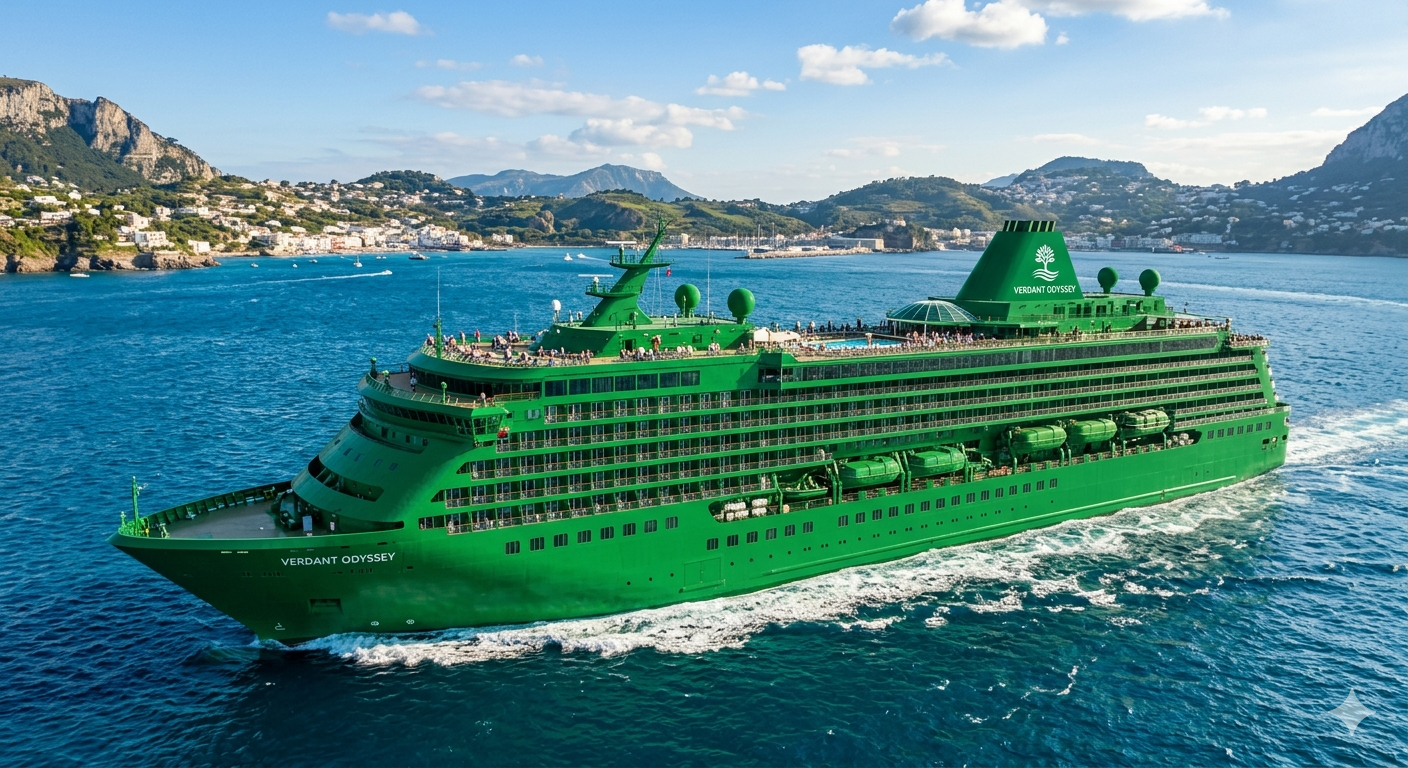
Please see the insightful article link below. "Greenwashing" or "Environmental Claims" enforcement actions have certainly been on the rise over the last few years in the cruise industry. Here are a few examples:
In 2024 a German court prohibited a cruise company's Net Zero by 2050 advertising which was deemed ambiguous.
In 2025 the UK’s Advertising Standards Authority (ASA) banned four greenwashing advertisements that promoted ships as environmentally friendly through the use of Liquefied Natural Gas (LNG) and other technologies. In each case, the ASA found that the advertisements exaggerated the environmental credentials of the cruises, made absolute or comparative claims without sufficient data to evidence them, and failed to provide material information about the environmental impact of LNG and cruising more broadly.
In 2024 the Dutch Advertising Code Committee (ACC) ruled that a cruise line engaged in greenwashing by using misleading, environmentally friendly claims in advertisements. The ruling found that, contrary to marketing, using Liquefied Natural Gas (LNG) is not "clean" and that vague sustainability promises, such as "net zero by 2050," were unsubstantiated.
To avoid potential greenwashing liabilities, companies should carefully scrutinize all public facing messaging to ensure that any environmental claims are not misleading and are substantiated by data and verifiable evidence. Any certifications should be from credible, independent, third-party organizations. Avoid vague terms like "eco-friendly," or "environmental friendly," or "earth friendly." Don't exaggerate. Use life cycle assessments (LCAs) to substantiate claims. Don't re-brand or re-label ship systems with misleading names that make them sound more sustainable than they actually are. Engage experts to review your public facing documents like financial reports, sustainability reports, advertising, messaging on your ships, etc.
The US Federal Trade Commission's (FTC) "Green Guides" are designed to help marketers avoid making environmental claims that mislead consumers. You can also find specific enforcement cases on the FTC website.
In the graduate level classes I used to teach, there was an assignment where students were required to critique various public environmental claims and provide me with recommendations to mitigate any greenwashing compliance risks. You need to find and hire those students!