Government Relations
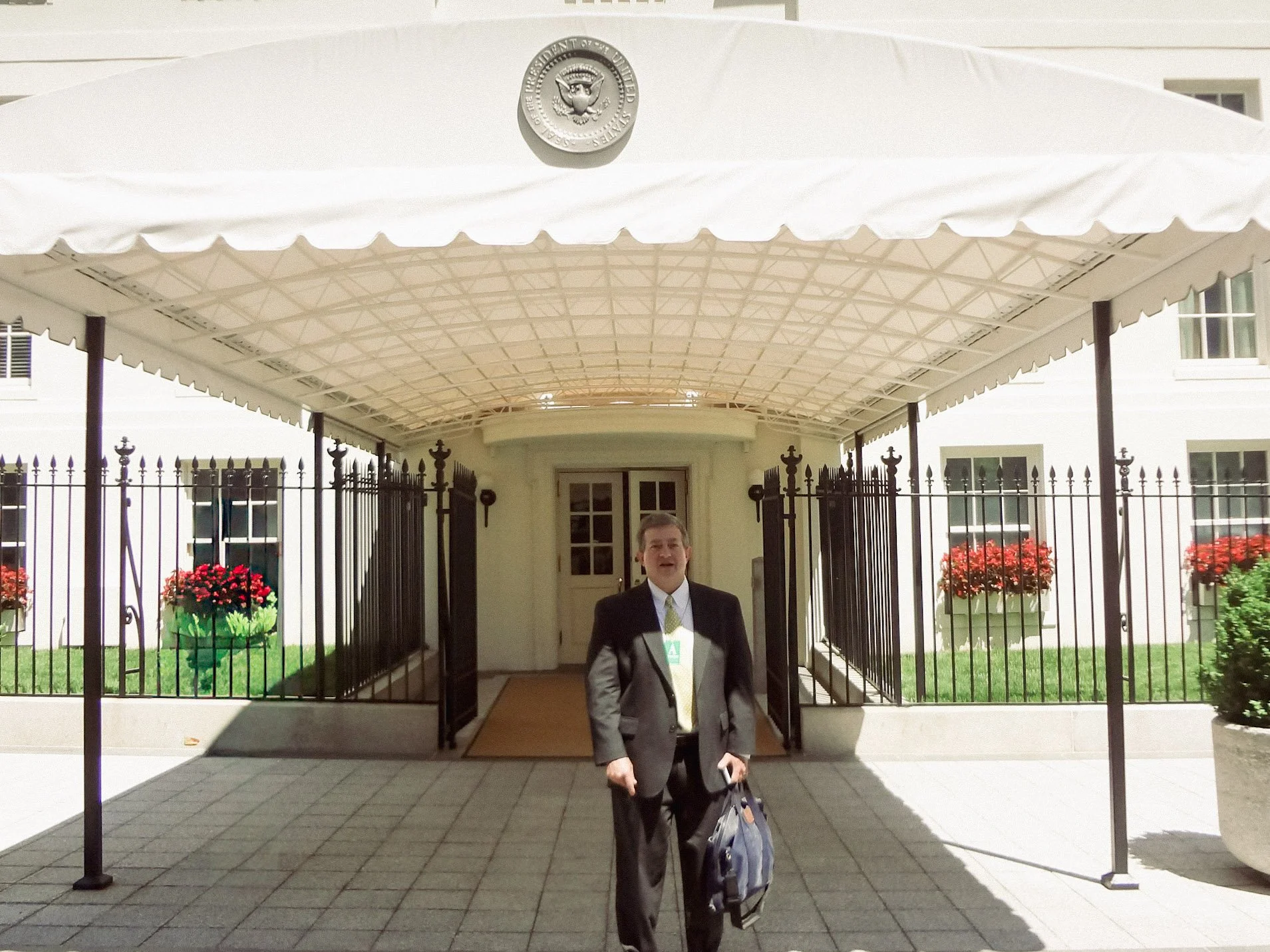
The White House West Wing Entrance
Government Relations - The word “lobbyist” is often viewed negatively. Many believe that the word was coined by President Ulysses S. Grant. He would often walk from the White House to the nearby Willard hotel to enjoy a cigar and drink brandy. People wanting to have an influential word with him would wait in the hotel lobby for such an opportunity. It is said that Grant became annoyed with the practice and called them “damned lobbyists!”
In practice, lobbyists can serve a useful role – if they act in a professional and ethical manner. Elected lawmakers often lack expertise on proposed laws that come before them. Lobbyists representing all sides of a contentious bill can enlighten them on the potential consequences and sometimes provide them with an alternative approach to achieve the desired goal in a way that eliminates or minimizes adverse impacts. Anyway, that is how it should work in a more bipartisan and collaborative world. In our less than perfect (fallen) world, there are often hidden strategies that also need to be exposed and considered. German Chancellor Otto von Bismarck best described the process when he said: "Laws are like sausages, it is better not to see them being made." It is messy.
Governmental relations is also important when federal and state agencies are promulgating regulations or when an interpretation of agency policies and regulations is needed. My rules of practice are: (1) Have a relationship of trust to enable a transparent and professional discussion with regulators; (2) Gain a thorough understanding of the governing statutes and regulations to know the potential answers before asking your questions and whether you should even ask the question; (3) Never lie; (4) Show respect; (5) Try to ask rather than tell or instruct; (6) Show gratitude for the regulator’s expertise; and (7) Maintain the highest level of ethics in those interactions.
The graduate level Environmental Law courses I taught included a lecture on Administrative Law that covered rulemakings. I included an assignment to write public comments (to me) on a real proposed rulemaking to demonstrate standing and respectfully provide input in a respectful and powerful way to achieve the desired results.
My students had diverse futures ahead of them. Some became lawyers, consultants, or industry leaders. Some become environmental activists. One went back to his home country in the Caribbean to become a government environmental policymaker. I told them all that I don’t care which side of the table you find yourself on, but I expect you to be kind, professional, ethical, and factual in whatever position you feel compelled to take on an issue.
Wearing a nice suit or fancy watch or carrying an impressive briefcase does not make you effective in governmental affairs. I once wore a pair of grey pants in the White House that I paid $1 for in a roadside flee market.
West Wing Photo of Danny Smith