The Arctic Cruise & Expedition Season
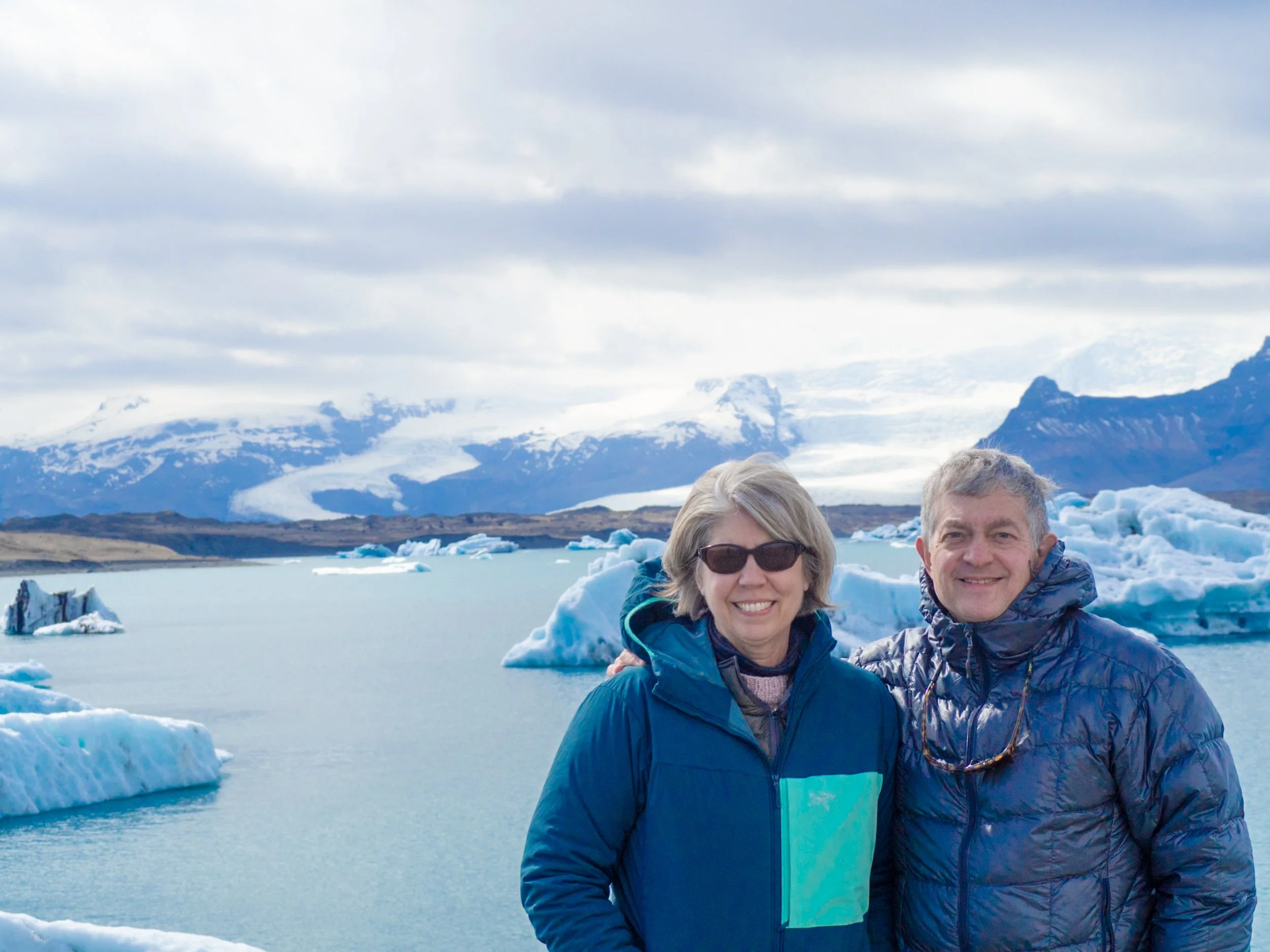
Iceland
The Arctic cruise and expedition season generally runs from late April to September with a mid-summer peak. Arctic cruises often focus on Svalbard, Greenland, and the Canadian Arctic, for sightings of polar bears, whales, and sea ice. Arctic cruising is growing in popularity with operators offering itineraries across the Canadian Northwest Passage, to the fjords of Northeast Greenland National Park, Svalbard, and Iceland.
Cruise and expedition operators that are members of the Association of Arctic Expedition Cruise Operators (AECO) have committed to follow a comprehensive set of guidelines to ensure that their operations benefit the region while protecting the environment, supporting local communities, and prioritizing safety. Whether a cruise brand is a member of AECO should be a factor in choosing a ship to visit the Arctic region. AECO is headquartered in Tromsø, Norway. See www.aeco.no
The AECO Operational Guidelines were adopted in 2004 with input from the governments of Svalbard and Greenland, the Norwegian Polar Institute, and the WWF’s Arctic Program. These mandatory “guidelines” include performance standards for:
Training: An annual online competency examination must be successfully completed by onboard expedition staff and certain crew members to ensure that they understand the AECO operational guideline requirements.
Performance Evaluations: An AECO Observer must sail on each member ship at least once every five years to evaluate compliance with the operational guideline requirements.
Site-Specific Guidelines: AECO ensures sustainable tourism in the Arctic by providing detailed instructions for safe landings to mitigate potential adverse impacts to local wildlife, natural features and cultural heritage. Some of the site-specific guidelines reflect domestic legal requirements.
Observing Wildlife: AECO provides guidelines for observing wildlife (examples: 500m from polar bears in Svalbard and 400m from walruses on land).
Biosecurity: There are guidelines to limit the spread of devastating wildlife viruses including Highly Pathogenic Avian Influenza (HPAI) with mandatory requirements for cleaning clothing, footwear, and equipment before and between landings to prevent the introduction of non-native species.
Safety and Emergency Preparedness: Operational procedures must be in place for the emergency evacuation of guests from shore, including, but not limited to, adequate small boat capacity on standby throughout landings. In areas with polar bears, field staff must be trained and equipped with rifles having a caliber of .308 Win or larger with expanding ammunition along with other deterrents. Field staff must be competent in CPR, AED use, and treating hypothermia.
In addition to the operational requirements for AECO members, there are international treaty and domestic legal requirements for operating in the Arctic. Here is a non-exhaustive list of international Arctic environmental requirements:
Food Waste Discharges: MARPOL Annex V, in alignment with the Polar Code, requires that comminuted or ground food waste discharges in the Arctic be discharged ≥12 nm, en route and as far as practicable from the nearest land, nearest ice-shelf or nearest fast ice. The discharge of non-comminuted or ground food waste is prohibited.
Sewage Discharges: MARPOL Annex IV and Chapter 4 of the Polar Code provide sewage treatment standards and discharge minimum allowable discharge distances from the nearest land, any ice-shelf, fast ice or areas of ice concentration exceeding 1/10.
Biofouling: The Polar Code states “In order to minimize the risk of invasive aquatic species transfers via biofouling, measures should be considered to minimize the risk of more rapid degradation of anti-fouling coatings associated with polar ice operations.”
Oil-to-Sea Interfaces: The Polar Code States “Non-toxic biodegradable lubricants or water-based systems should be considered in lubricated components located outside the underwater hull with direct seawater interfaces, like shaft seals and slewing seals.”
Limited Heavy Fuel Oil (HFO) Ban: On July 1st 2024, the International Maritime Organization (IMO) ban on the use and carriage of heavy fuel oil (HFO) came into force; nonetheless, Regulation 43A of MARPOL Annex I provides certain fuel tank design exemptions and temporary flag-state waivers to continue using HFO until 1 July 2029. AECO has long been a supporter of banning HFO in the Arctic.
Most ship itineraries through the Arctic pass through various domestic jurisdictions and it is important to perform thorough due diligence to gain an understanding of domestic regulatory requirements for voyage planning, execution and compliance monitoring. Here is a non-exhaustive list of domestic Arctic environmental requirements:
Canada Arctic Discharge Prohibitions and Requirements: The Canadian Arctic Waters Pollution Prevention Act (AWPPA) is a ‘zero discharge’ act, which states, “no person or ship shall deposit or permit the deposit of waste of any type in the Arctic waters.” The AWPPA defines “waste” as “any substance that, if added to any water, would degrade or alter or form part of a process of degradation or alteration of the quality of that water to an extent that is detrimental to their use by man or by any animal, fish or plant that is useful to man.” That catch-all definition could possibly be interpreted to prohibit any otherwise authorized discharges that contain plastic or microplastic. The AWPPA has two key regulations, namely; the Arctic Shipping Pollution Prevention Regulations (ASPPR), and the Arctic Waters Pollution Prevention Regulations (AWPPR) that provide certain exceptions to the act’s blanket zero discharge prohibition. Within the Canadian Arctic, comminuted food waste cannot be discharged within 12 nautical miles from the nearest land, ice shelf, or fast ice. The discharge of oily bilge water is strictly prohibited within Canadian Arctic waters. Cruise ships are prohibited from discharging greywater and sewage within 3 nautical miles of any shore, ice-shelf, or fast ice across all Canadian waters, including the Arctic. Please refer to the Act and subordinate regulations for greater regulatory clarity.
Canadian Northwest Passage Approvals: Cruise ships sailing across the Northwest Passage are required to obtain a variety of permits and authorizations including archaeology and paleontological permits to visit heritage sites, and outfitter & tourism licenses from the governments of Nunavut and the Northwest Territories to conduct guided commercial tourism.
Canadian Marine Mammal Protection Requirements: Cruise ships crossing the Northwest Passage must adhere to several mandatory and voluntary marine mammal protection requirements under the Marine Mammal Regulations (MMR) and other federal guidelines. These laws are designed to prevent disturbance and physical harm to sensitive species like bowhead whales, beluga whales, narwhals, and walruses. There are special operational precautions for Eclipse Sound.
Greenland: A ship permit is required to visit Northeast Greenland National Park. It is the world’s largest national park and covers 972,000 square kilometers of pristine wilderness and the park boundary extends 3 nautical miles out to sea. See: https://visitgreenland.com/destinations/the-national-park/ There are various regulations protecting cultural heritage sites, costal environmental sites, and regulating wildlife observation.
Svalbard: There are specific regulations relating to tourism, field operations and other travel in Svalbard.
Iceland: Icelandic requirements can be found in the Icelandic Conservation Act, the Protection and Management Plan for Hornstrandir with recommended visitor limits, and within the Guidelines for Masters of Cruise and Passenger Ships Arriving in Iceland.
The key takeaways from this non-exhaustive summary of Arctic environmental compliance risks are:
Arctic cruise and expedition itineraries present complex environmental compliance challenges that are exacerbated without AECO membership.
Thorough and well-vetted voyage planning is essential. Location-specific requirements must be summarized in appropriate detail within passage plans along with geofenced areas to facilitate compliance.
Adequate compliance monitoring of all compliance requirements during voyage plan execution is essential.
Compliance risk assessment and procedural/process gap analysis are strategically important.
PRIMARIUM can help.