The 2026 Alaska Cruise Season

The 2026 Alaska cruise season will soon begin. Cruise operators should reflect on the past season and contemplate the season ahead. What are your Strengths & Weaknesses? What are the Opportunities & Threats you face? What does your Enterprise Risk Management system tell you about compliance incidents and risks? What are the root causes of noncompliance events? Do you understand the concerns of Alaska stakeholders? Have you performed a gap analysis of your procedures and practices against legal requirements & stakeholder concerns? Acting on this intel can make 2026 successful. Repeating the same old compliance strategies could mean failure.
Stakeholder Concerns
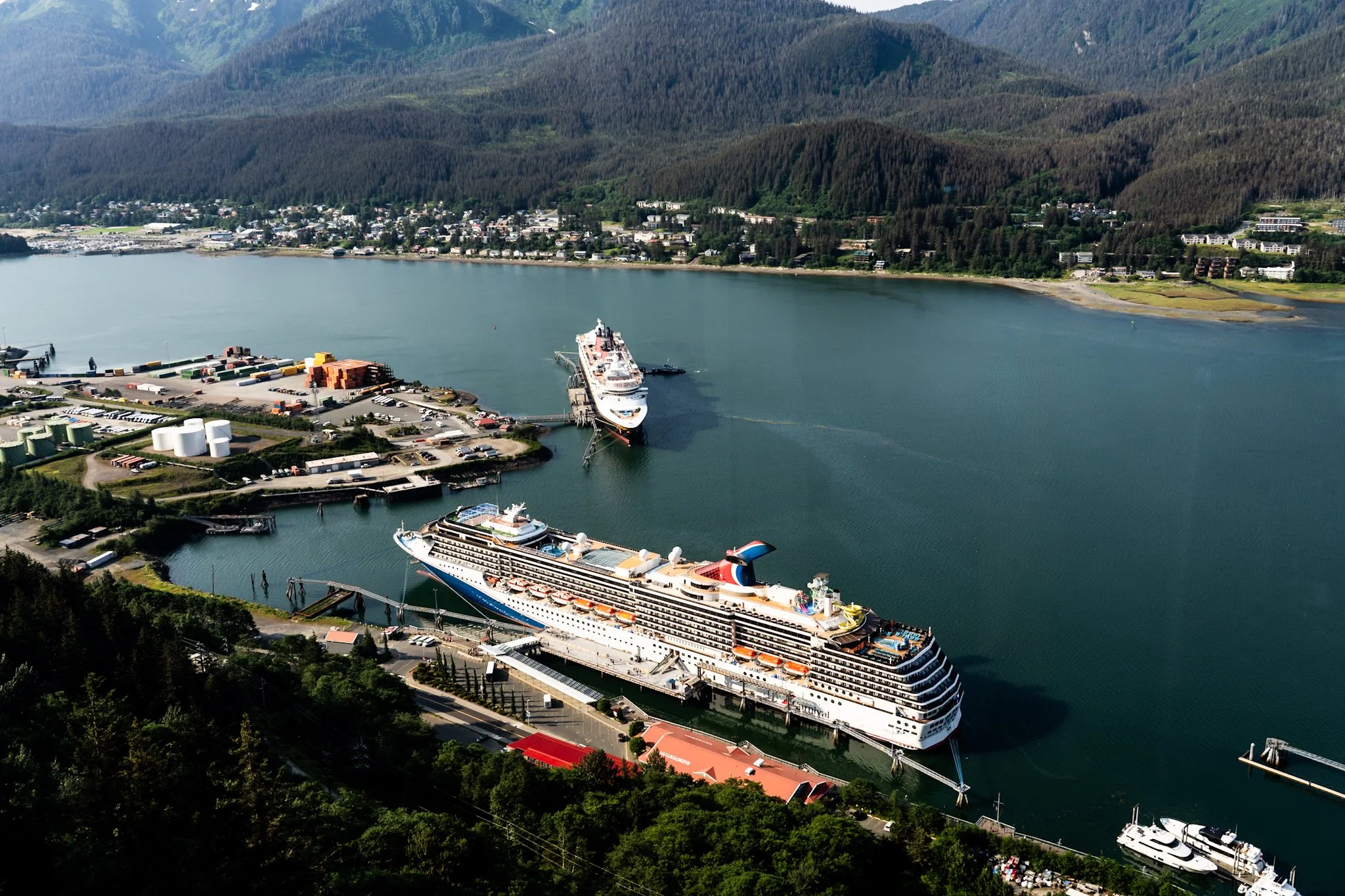
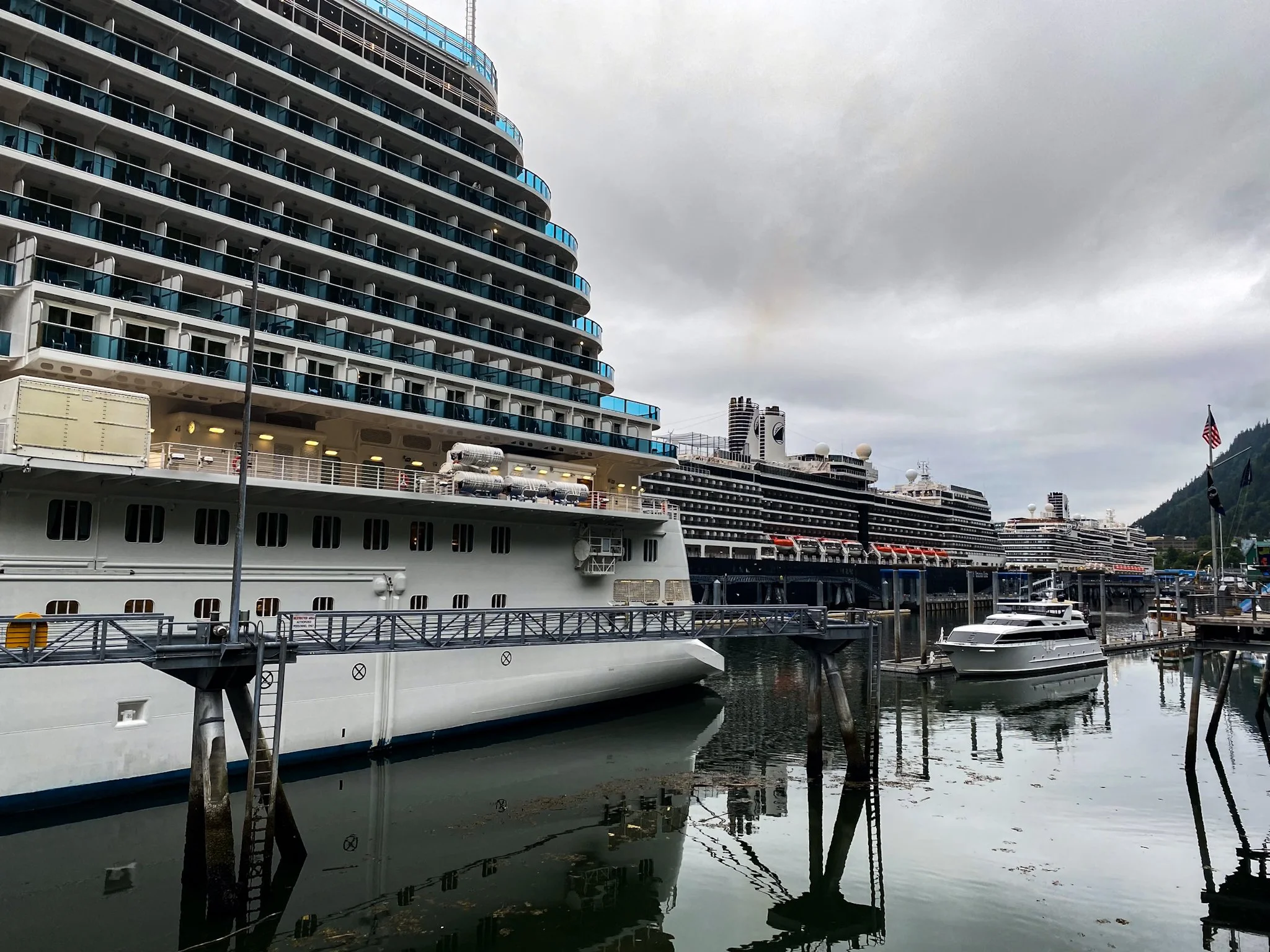
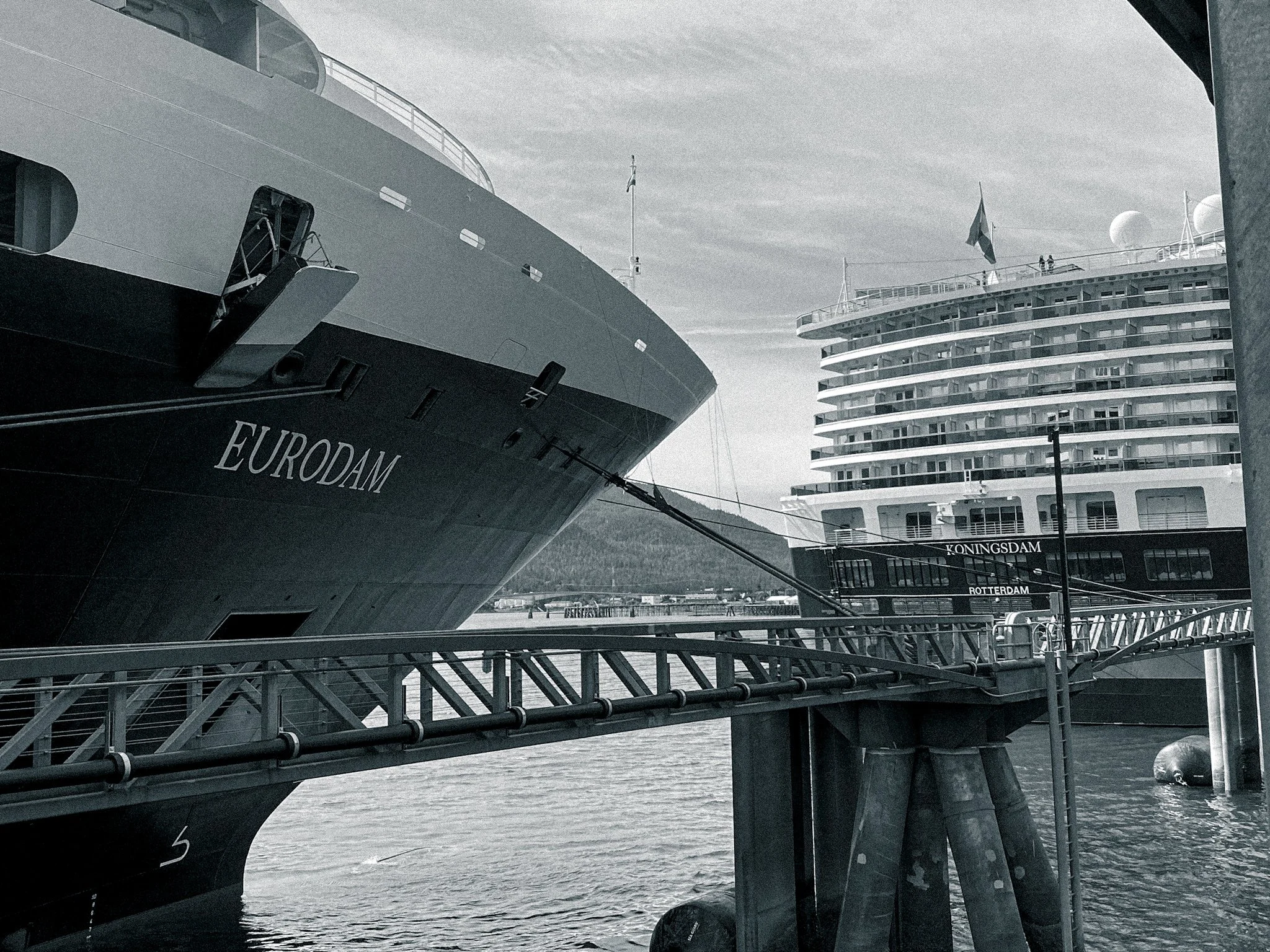
Residents of Juneau, Alaska have a love-hate relationship with the cruise industry. They proposed to ban cruise ships. Their frustration is easy to understand. Downtown Juneau is a small area receiving a teaming horde of tourists (up to 21,000 people) from a daily armada of cruise ships. Covering almost 200 days, the season can be suffocating, notwithstanding cruise brand port sustainability aspirations. Local businesses are dependent on this traffic but there were over 1.6 million cruise visitors in 2025! I have witnessed this daily onslaught and experienced the wave of calm that spreads over the town each evening as the ships sail away. That is when locals enjoy Deckhand Dave’s fish tacos and Devil’s Club Brewing.
A compromise was reached to cap daily cruise ship passengers at 16,000 (12,000 on Saturdays) with a 5-ship daily limit starting in 2026. Ketchikan is picking up the slack and is now expected to have more arrivals than Juneau. Two-way dialog with Alaskan stakeholders, and responses to their concerns is essential.
Compliance Challenges
The Alaska Department of Environmental Conservation website shows opacity (smoke) emission, sewage treatment plant (STP) discharge, and exhaust gas scrubber discharge violations by cruise ships during 2025 and prior seasons. With respect to the EPA Vessel General Permit (VGP), the Southeast Alaska Conservation Council reports that during past “cruise seasons in Alaska, companies self-reported hundreds of clean water permit violations, exceeding limits of polycyclic aromatic hydrocarbons [PAHs], pH levels and particulate matter in discharges” related to open-loop scrubbers.
Lloyd’s Register indicates "studies have shown that scrubber-equipped ships using high-Sulphur HFO emit higher particulate matter, black carbon, and CO₂ emissions than ships using compliant low‑sulphur fuels” like MGO. This might explain some non-compliant opacity observations during the Alaska cruise season.
Fuel injector coking and running engines under low loading can cause opacity exceedances. Using HFO with open-loop scrubbers to save money might be exacerbating the problem. Opacity and VGP compliance risks can be mitigated by using cleaner burning MGO instead of HFO & scrubbers.
Alaska bill Introduced to restrict the use of Heavy Fuel Oil (HFO) and limit ship scrubber discharges in Alaska
Here is a legislative update on Alaska Senate Bill 253 that would restrict the use of Heavy Fuel Oil (HFO) and limit ship scrubber discharges in Alaska. In a committee hearing this week, the bill's sponsor and scientists referenced ecological risks from PAHs and metals. https://citizenportal.ai/articles/7638229/alaska/2026-legislature-alaska/senate-committee-hears-contested-bill-to-limit-heavy-fuel-oil-discharges-in-alaska-waters-scientists-and-industry-debate-costs-and-regulatory-overlap
SB 253 can be downloaded from the Alaska State Legislature website via this link: https://www.akleg.gov/basis/Bill/Plaintext/34?Hsid=SB0253A