PRIMARIUM Regulatory Horizon Update: The VIDA Regulatory Clock is Ticking
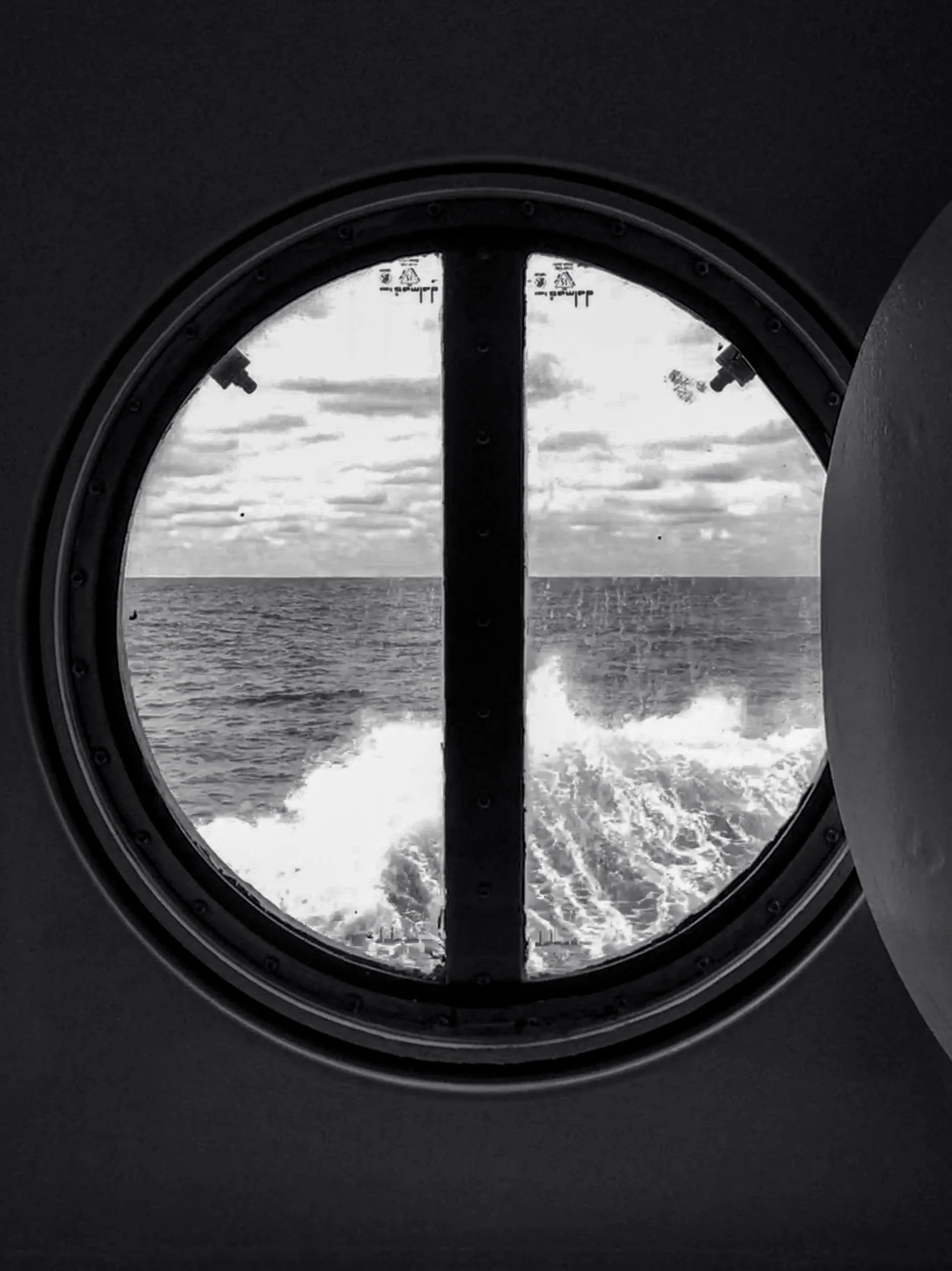
“The Horizon” / Photo - D. Smith
We are approaching a major regulatory milestone for the Vessel Incidental Discharge Act (VIDA), but procedural realities mean a major delay is now likely.
Where things stand:
The EPA did its part: Under a court-ordered consent decree, the EPA finalized its national standards of performance on October 9, 2024 (89 FR 82074).
The USCG’s clock: Congress gave the U.S. Coast Guard (USCG) exactly two years from that date to publish its corresponding implementation and enforcement regulations. That statutory deadline lands on October 9, 2026.
The Procedural Challenge:
Under the Administrative Procedure Act (APA), standard rulemaking requires a Notice of Proposed Rulemaking (NPRM), a mandatory 30-to-60-day public comment window, time for the agency to review thousands of technical comments, and a 30-day delayed effective date.
Because we are already halfway through September 2026 without a NPRM, the USCG may not be able to issue a final rule by the October deadline in compliance with the standard APA rulemaking process.
How will stakeholders respond?
Commercial Vessel Operators: For now, it’s business as usual. The status quo remains fully active. Under VIDA, the 2013 Vessel General Permit (VGP) and existing USCG ballast water rules stay legally enforceable until the USCG framework is entirely finalized. Industry groups will likely welcome the extra time to adjust to the EPA's stricter tiers (especially on biofouling and ballast tanks).
Environmental Coalitions: Just as environmental groups successfully sued the EPA to force a consent decree, they might file a failure-to-act lawsuit against the USCG to secure a court-mandated timeline.
State Regulators: Because VIDA eventually preempts states from setting more stringent independent rules, state environmental agencies will likely use this buffer period to fiercely lobby the USCG during the eventual comment period to preserve local water protections.
What to watch for next: Will the USCG issue a late NPRM and accept a missed statutory deadline, or will they attempt a legally risky "Interim Final Rule" to bypass standard APA notice-and-comment period?