Ship Whale Strike Risks
[Originally posted February 2026] The World Shipping Council (WSC) posted its Whale Chart yesterday (see the link provided below.) It is a valuable voyage planning and execution compliance risk management tool to avoid whale strikes and comply with marine mammal protection requirements around the world.
While some of the protective requirements may be "voluntary" in various locations, there can be significant compliance consequences in other locations where they are mandatory. Vessel strikes are a leading cause of mortality for endangered whales, particularly the North Atlantic right whale, which is protected under the US Endangered Species Act (ESA) and the Marine Mammal Protection Act (MMPA). Seasonal maximum vessel speed limits are established to mitigate the risk of vessel strikes. Vessel strikes that result in the death or injury of an endangered whale could result in large fines or even criminal prosecution under the ESA.
In other locations like Antarctica and and the Northwest Passage you may find a range of protective measures including acoustic requirements. Compliance with voluntary requirements in some locations might be a factor in public perception effecting the the right to operate in sensitive locations.
The bottom line is that this is a risk to carefully mitigate in passage plans, procedures, and compliance monitoring.
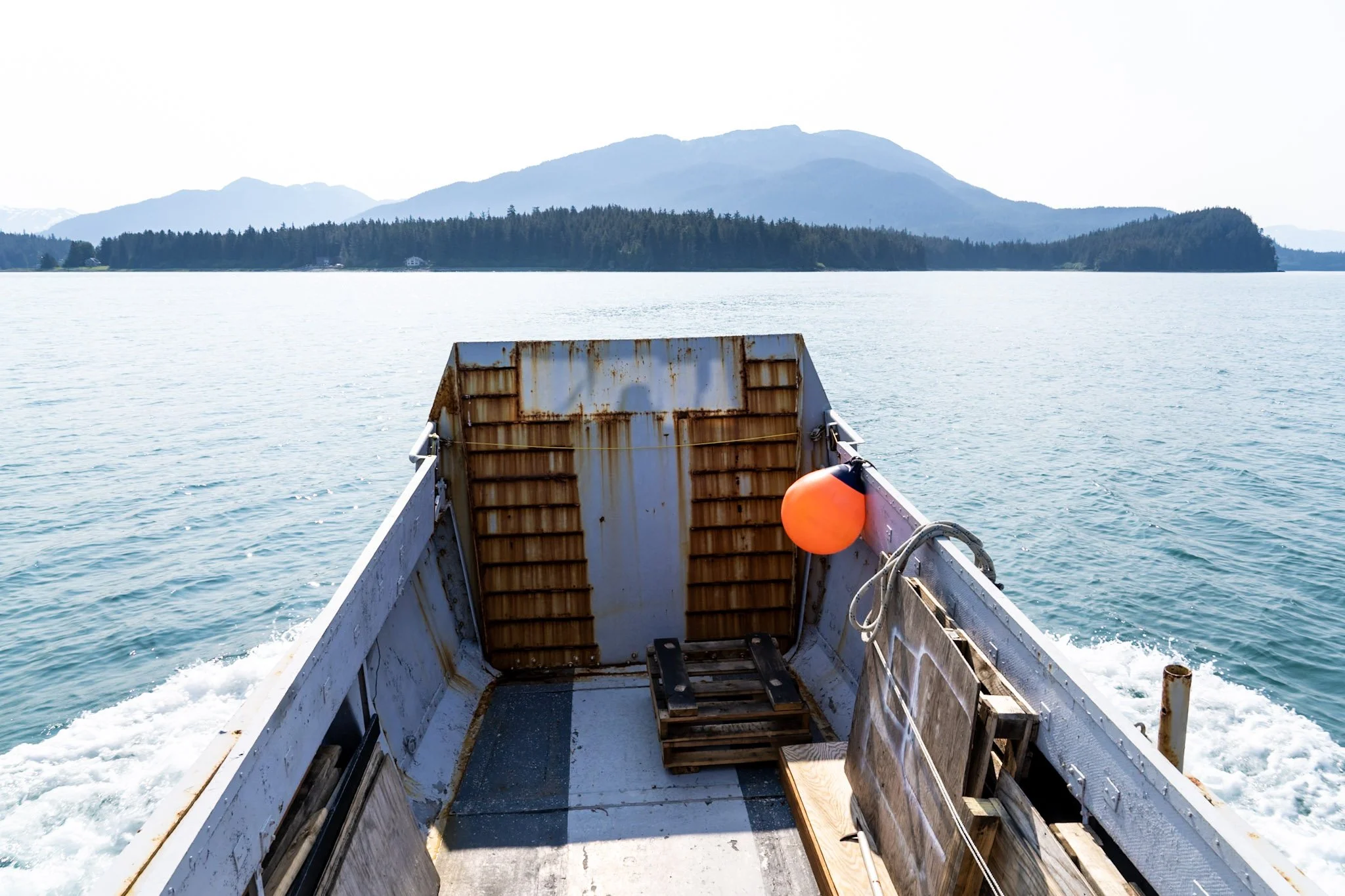
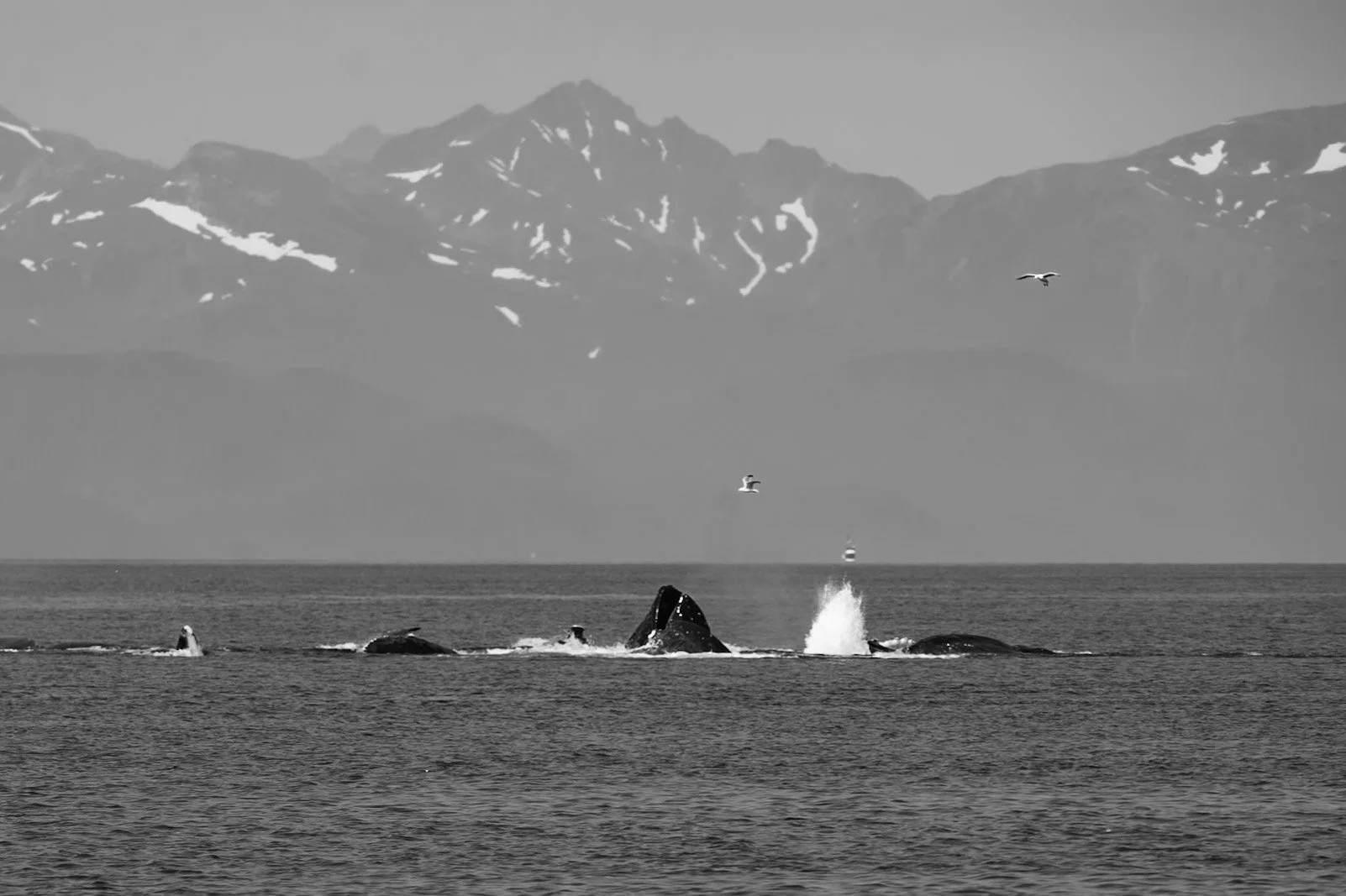
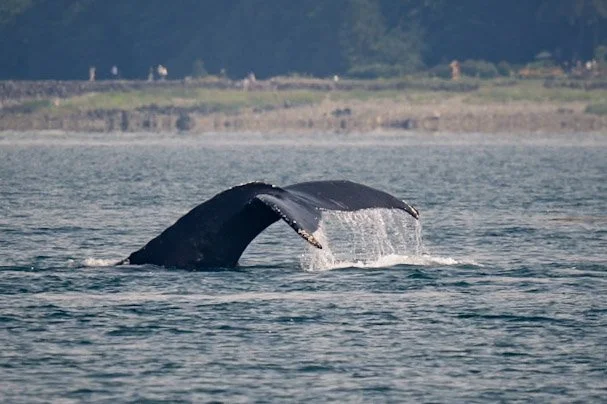
I captured these whale photographs while precariously balanced on a wooden board across the landing bay of my friend's ancient Higgins Landing Craft. I was holding a heavy telephoto lens. We were en route to an island North of Juneau, Alaska. That was an adventure!