Cruise Ship Waste Management Risks
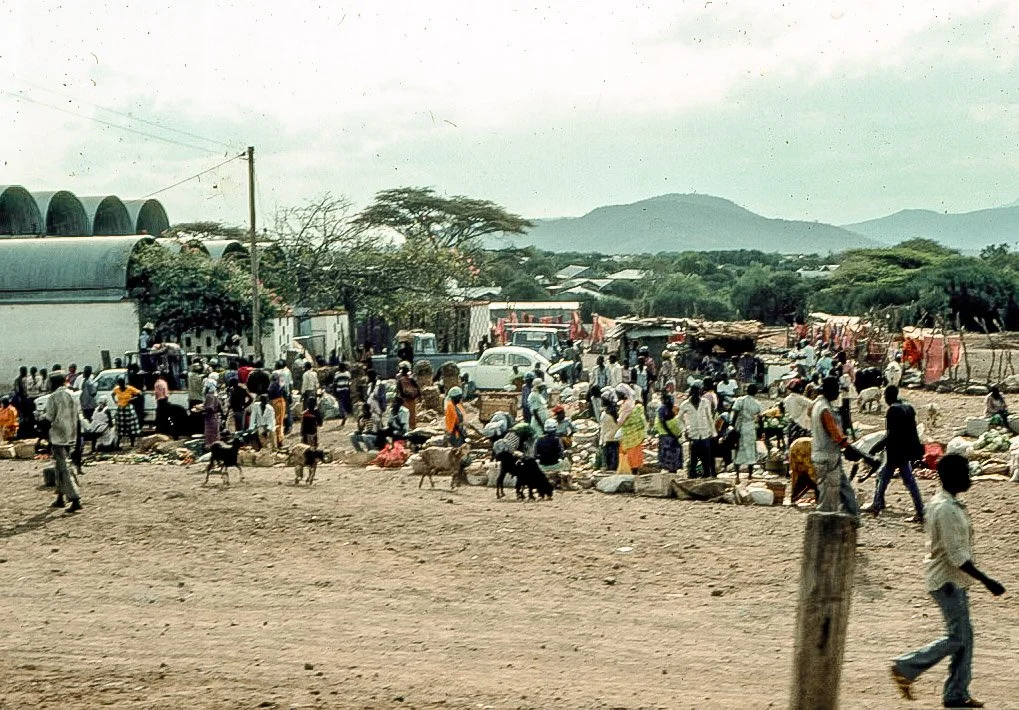
Photo – “People” by D. Smith
A US Congressional Research Service report, Cruise Ship Pollution: Background, Laws, Regulations, Key Issues, found that during a typical one-week voyage, a large cruise ship is estimated to generate more than 130 gallons of hazardous wastes, 8 tons of solid waste, and 25,000 gallons of oily bilge water.
Life on a cruise ship is not significantly different than life on land with respect to the generation of waste streams like food waste, general trash, batteries, used paint, waste oil, medical waste, and hazardous waste. See “Floating Cities: Navigating Environmental Compliance in the Cruise Industry” Natural Resources & Environment, Vol. 35, No. 4, Spring 2021, by the American Bar Association.
When wastes are offloaded in a port, the risks generally fall into these categories:
1. Legal Compliance Risks
2. Reputational Risks
3. Ethical Risks
In Europe, most ports are responsible for managing the types and quantities of waste normally generated by ships visiting them. It is different in US ports where ships that are hazardous waste Generators, must comply with the Resource Conservation and Recovery Act under EPA enforcement. The amount offloaded per month determines the compliance requirements. Waste generators in US ports can also become a Potentially Responsible Party under the Comprehensive Environmental Response, Compensation, and Liability Act with joint & several liability for disposal sites making due diligence assessment of waste vendors and waste treatment, storage, & disposal facilities essential. Port-specific legal analysis of potential liabilities is a wise strategy for all ports.
When domestic legal requirements are lacking, some landfill factors to consider: proximity to groundwater, surface water, water wells, homes, people, wetlands, & sensitive ecosystems; groundwater, surface water, & air monitoring data; audit findings, permits, violations, negative media, proper design & operations; & whether you would want your own family living nearby.
BBC news found “Tourism is vital for economies across the Caribbean, but record-breaking numbers of visitors, coupled with insufficient local waste facilities, are leaving many islands choking on rubbish.” The report describes horrid conditions at the Antigua island landfill where garbage has far exceeded design capacity. Without the protection of liners and a leachate control system, groundwater quality is at risk. In 2025, BBC reported “Antigua's landfill has received more than 1,200 tonnes of rubbish from cruise ships this year alone” and “The problems in Antigua are reflected across the Caribbean.” BBC News “Sun, sea and trash: The Caribbean islands struggling with managing waste.” September 2025
A robust waste management system within the context of an Enterprise Risk Management system is essential to understand and manage ship wastes.