Antarctic Cruise & Expedition Season
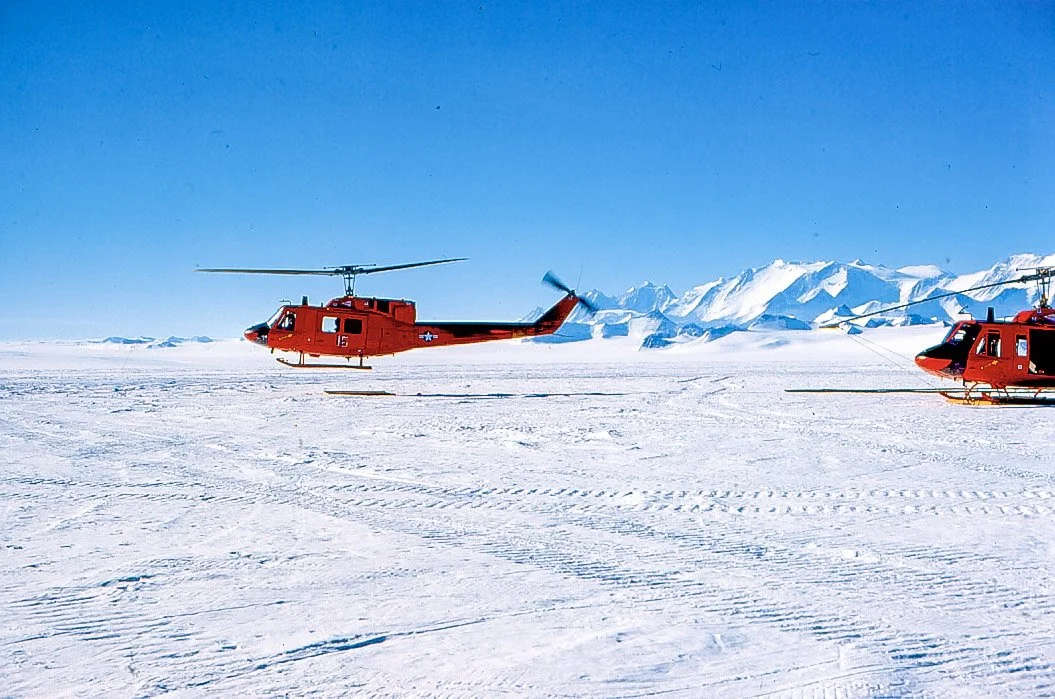
35mm Film Photo: Ellsworth Mountain Range, Antarctica
The Antarctic cruise & expedition season runs from October to March (austral summer) with peak season in December and January offering nearly 24-hour daylight and warmer weather. November is best for pristine ice, while February/March is ideal for whale watching and traveling further south.
Perhaps you have wondered how all of that is regulated in such a remote and beautiful place. Antarctica is not a country. It has no marine police or port state inspectors. Nonetheless, cruise ships and tourist adventures to the white continent are regulated under international frameworks like the Antarctic Treaty, MARPOL, and the Polar Code. Ships sailing to Antarctica must obtain authorization from a Competent Authority (Party) of the Antarctic Treaty. Each Party is responsible for regulating visits to the Antarctic organized by its nationals, and the Environmental Protocol requires an Environmental Impact Assessment of all activities south of 60°S. The Competent Authority could be the ship’s flag state (examples: UK, Netherlands, etc.) or the country where the visit is planned and organized (example: USA).
Cruise and expedition ships seeking authorization from the USA are required to comply with permitting requirements established under the US Antarctic Science, Tourism, and Conservation Act of 1996. Under the associated regulations provided at 40 CFR Part 8, an Initial Environmental Evaluation (IEE) must be submitted to the US Environmental Protection Agency (EPA) for approval. The IEE must address potential adverse effects on the environment, including impacts on atmospheric, terrestrial, glacial, and marine ecosystems. It should evaluate potential harm to species distribution, abundance, and productivity, with a focus on endangered or threatened species, and consider any highly uncertain environmental effects or unique risks associated with the proposed activities. An IEE needs to address potential impacts associated with ship discharges (grey water, sewage, bilge water, food waste, ballast water, etc.), air emissions from engines and waste incinerators, biofouling, zodiac and kayak excursions, polar plunges, wildlife encounters, drone operations, etc.
Most Antarctic cruise operators are members of the International Association of Antarctica Tour Operators (IAATO) who have committed to comply with IAATO operational standards. That commitment may be incorporated into an EPA approved IEE. Additionally, there are ATCM (Annual Antarctic Treaty Consultative Meeting) requirements and guidelines for visiting specially protected sites that may need to be listed and addressed in the IEE. Other risks to address include the introduction of non-indigenous species via ballast water or from ship biofouling, and the spread of Highly Pathogenic Avian Influenza (HPAI).
Careful voyage planning, execution, and compliance monitoring is essential.