2026 Alaska Cruise Season Update: Heavy Fuel Oil and Scrubber Compliance
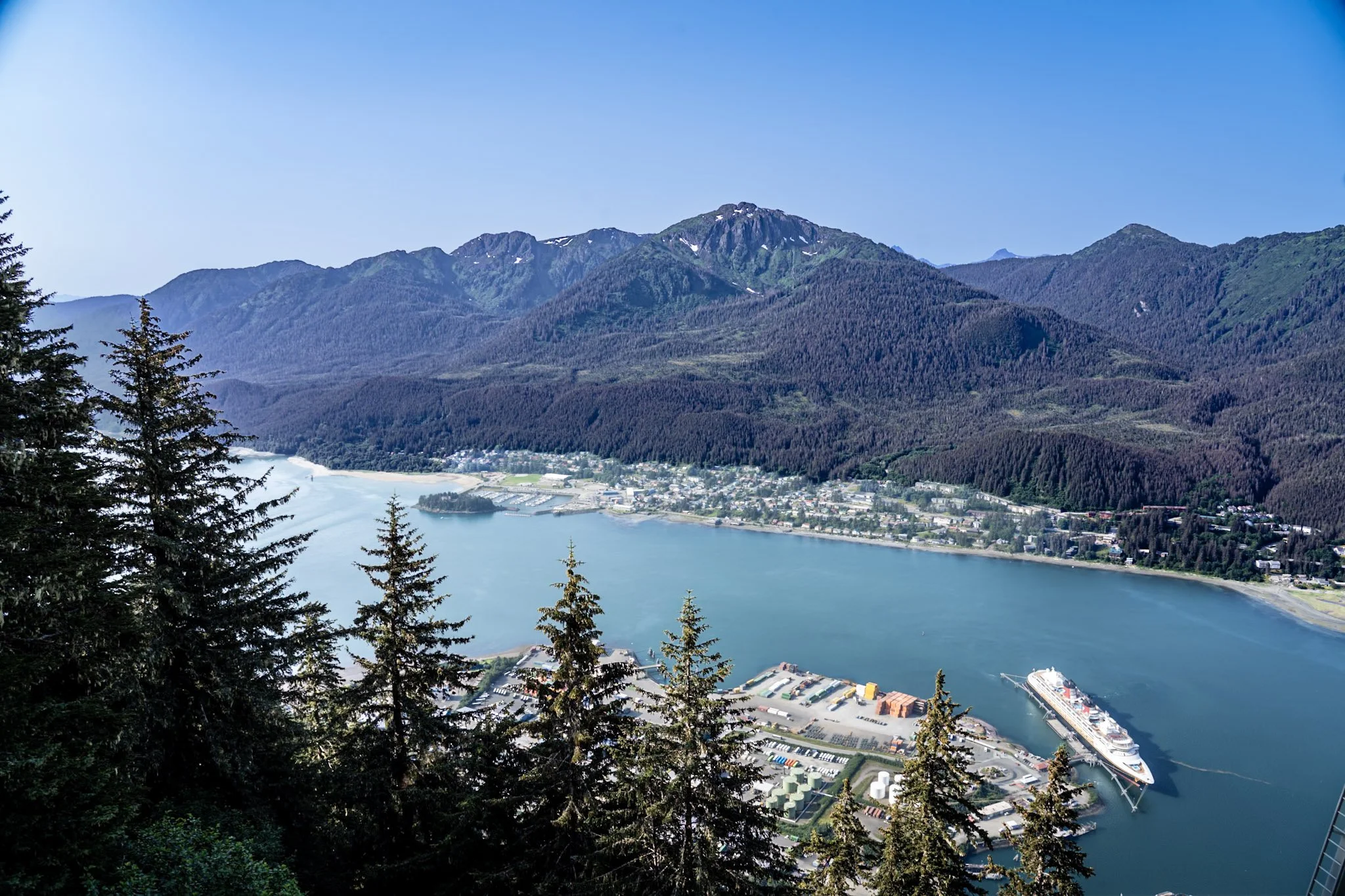
Photo - D. Smith
With the 2026 Alaska cruise season now underway, maritime regulatory compliance is under intense scrutiny. This update examines the friction surrounding Heavy Fuel Oil (HFO) exhaust gas scrubbers in Alaskan waters, building on the pre-season analysis published by PRIMARIUM on March 10, 2026.
Legislative Push to Ban HFO and Scrubber Discharges
Two complementary bills recently introduced in the Alaska Legislature aim to limit exhaust gas scrubber discharges in state waters (the federal government already bans such discharges within Glacier Bay National Park and Preserve):
SB 253 (Senator Jesse Kiehl): Restricts HFO use and limits ship scrubber discharges. The bill recently passed its first hearing in the Senate Resources Committee following an intense debate between scientists highlighting ecological risks and industry groups warning of regulatory overlap. It currently awaits further committee action before moving to the Finance Committee. Track its status via the Alaska Legislature Bill Detail.
HB 366 (Representative Sara Hannan): Titled "An Act relating to the use of heavy petroleum fuel oil as a marine fuel; relating to the duties of the Department of Environmental Conservation," this bill seeks a total ban on HFO in Alaskan waters.
During an April 21 hearing in the House Transportation Committee, Representative Hannan emphasized industry accountability:
"There is no doubt that the cruise industry is a major economic sector in Southeast Alaska, but this bill would require them to be better partners and help sustain the environment they directly profit from."
Enforcement Standoff
Compliance tracking has already faced early-season tension. Reports from Alaska's KTOO and KHNS news highlight a growing dispute over whether the Alaska Department of Environmental Conservation (ADEC) is authorized to enforce compliance on scrubber discharges. Notably, major operators have reportedly withheld water pollution data from state regulators, arguing over jurisdictional boundaries. Read the full investigative report by Avery Ellfeldt on KTOO News.
Additionally, air emissions opacity will remain a high-priority monitoring target throughout the 2026 season. Industry compliance trends can be reviewed in the ADEC 2025 Air Quality Annual Report.
The Triennial Review Gap
To comply with Section 303(c) of the federal Clean Water Act, ADEC reviews its state water quality standards on a three-year cycle. The state is currently operating within its 2024–2026 Triennial Review.
During the initial public comment phase, environmental advocates urged ADEC to integrate explicit open-loop scrubber limits for acidity, polycyclic aromatic hydrocarbons (PAHs), and heavy metals into the Alaska Water Quality Criteria Manual.
However, ADEC excluded scrubber-specific washwater criteria from its final priorities list submitted to the EPA, citing a lack of statutory authority. ADEC maintains that scrubber washwater is an operational discharge governed exclusively by federal rules under the EPA’s Vessel General Permit (VGP) and the Vessel Incidental Discharge Act (VIDA).
Federal EPA vs. State ADEC Enforcement
Under Section 6 of the federal VGP, the State of Alaska established these key Section 401 Water Quality Certification Conditions:
VGP Section 6.1.4: Discharges within the three-mile territorial sea baseline must not violate Alaska water quality criteria (18 AAC 70).
VGP Section 6.1.2: Permittees must provide ADEC with electronic copies of any noncompliance reports filed under federal law for violations in state waters.
VGP Section 6.1.5: EPA regulation under the VGP does not preclude ADEC from regulating vessels or taking enforcement action authorized by Alaska law.
Because scrubber discharge is not explicitly codified in Alaska state statutes or regulated by the state’s Large Commercial Passenger Vessel General Permit, critics argue that ADEC lacks the legal mechanism to impose water quality limits. This regulatory gap is exactly what prompted lawmakers to bypass ADEC entirely by introducing SB 253 and HB 366.
Glacier Bay National Park and Preserve Scrubber Discharge Prohibition
Each commercially operated motor vessel must have a permit to operate in Glacier Bay National Park and Preserve” under federal law. A cruise ship must have a concession contract to operate in Glacier Bay. 36 CFR § 13.1154. These agreements typically prohibit exhaust gas scrubber discharges within Glacier Bay National Park and Preserve. Violating a term or condition of a permit or an operating condition or restriction is prohibited under federal law. 36 CFR § 13.1158.
Looking Ahead
The next comprehensive state review cycle is scheduled to run from early 2027 through 2029. In the meantime, the ongoing legislative battles and enforcement disputes warrant careful regulatory horizon monitoring and proactive risk management from all cruise operators navigating Alaskan waters.